Cheesy Broccoli Cauliflower Cottage Cheese Casserole
A high-protein, low-carb cheesy vegetable bake with a blended cottage cheese cheddar sauce and a crisp Parmesan top.
This broccoli cauliflower cottage cheese casserole is a cheesy, filling side for nights when the oven is already on for a roast. Roasting the florets first keeps the sauce creamy instead of watery, and each serving has about 24 g of protein.
Roast the florets at 425°F (218°C) for 15 minutes, then fold them into blended cottage cheese, eggs, and sharp cheddar in a 2-quart baking dish. Top with more cheddar and Parmesan and bake at 375°F (191°C) until the center reaches 160°F (71°C), then rest 10 minutes.
You can roast the florets and blend the sauce up to a day ahead if you keep them separate. Leftovers keep 3–4 days in the fridge, and the cheddar is easy to swap for Gruyère or Monterey Jack.
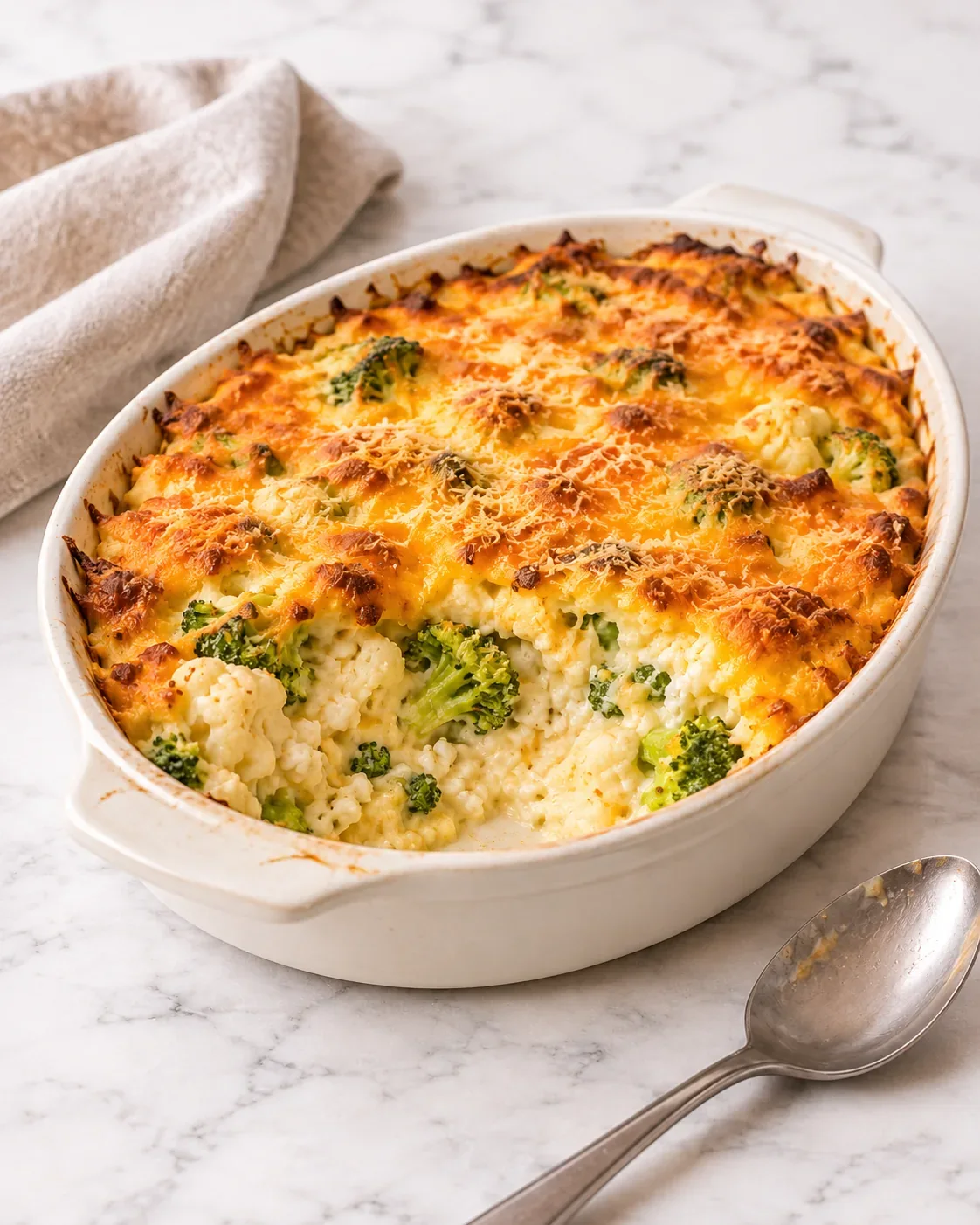
What Ingredients Do You Need (and What Can You Swap)?
Blended cottage cheese and eggs replace the canned soup or flour-and-cream sauce that most versions use. The eggs set the sauce as it bakes, so it holds together without any added thickener.
- Broccoli and cauliflower florets: Cut them to about 1 inch (2.5 cm) so they brown before they soften. Bagged precut florets work if you halve the larger pieces.
- 2% cottage cheese: Small or large curd both work, since it gets blended. Skip fat-free, which holds more whey and bakes into a looser sauce.
- Eggs: Three large eggs turn the cottage cheese into a soft, sliceable custard. Without them, the sauce stays runny.
- Sharp cheddar: Shred it from a block. Pre-shredded cheese is coated with anti-caking starch and melts less smoothly.
- Parmesan: Finely grated Parmesan browns into a crisp, salty top. Thick shreds tend to melt flat.
- Dijon and spices: Dijon, garlic powder, onion powder, and smoked paprika give it a classic cheese-sauce flavor without tasting like mustard.
Easy Substitutions
- Cheese: Swap the cheddar for the same amount of Gruyère, Monterey Jack, or a Mexican blend.
- Greek yogurt: Plain 2% Greek yogurt can replace up to half the cottage cheese. The sauce will be tangier and a little less rich.
- Chicken: For a main dish, fold in 1½ cups (about 200 g) of diced cooked chicken. Use a 9×13-inch dish and start checking the center about 5 minutes early. For a version built around chicken, try our cottage cheese chicken bake.
How to Make Broccoli Cauliflower Cottage Cheese Casserole Without It Getting Watery
The full measurements and steps are in the recipe card below. These three details decide whether the casserole slices cleanly or ends up in a puddle.
For related vegetable techniques, see our cottage cheese zucchini lasagna and crustless vegetable quiche.
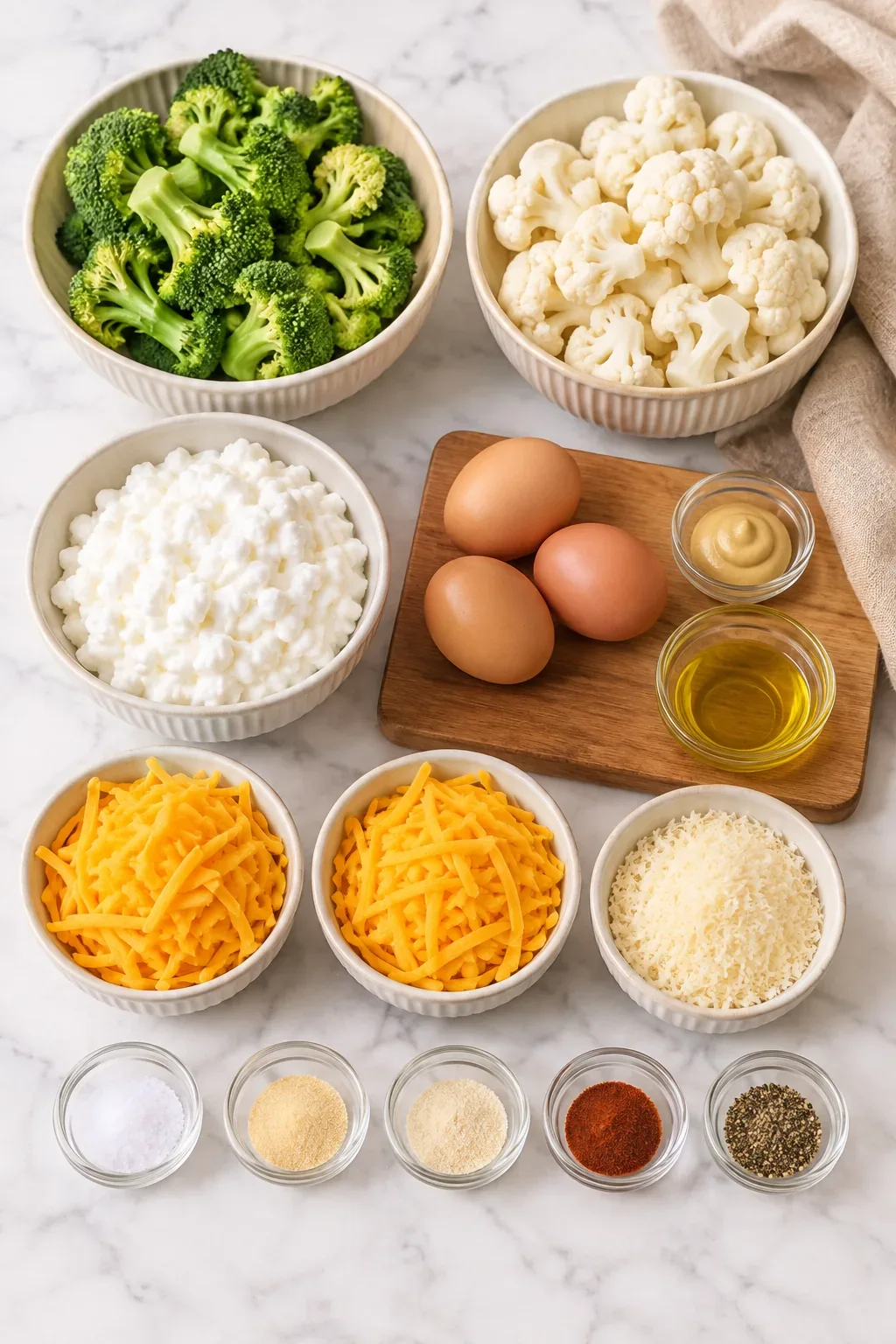
Roast the Florets, Don't Boil Them
Broccoli and cauliflower are mostly water, and boiling or steaming adds more. Roasting at 425°F (218°C) dries the florets out and browns the edges, which gives the sauce a sweet, nutty flavor.
Spread the florets in a single layer and use two pans if needed, since crowded florets steam instead of browning. Take them out at crisp-tender, because they keep cooking in the casserole. Other watery vegetables need the same care, like the zucchini in our cottage cheese zucchini lasagna.
Blend the Sauce Until Smooth
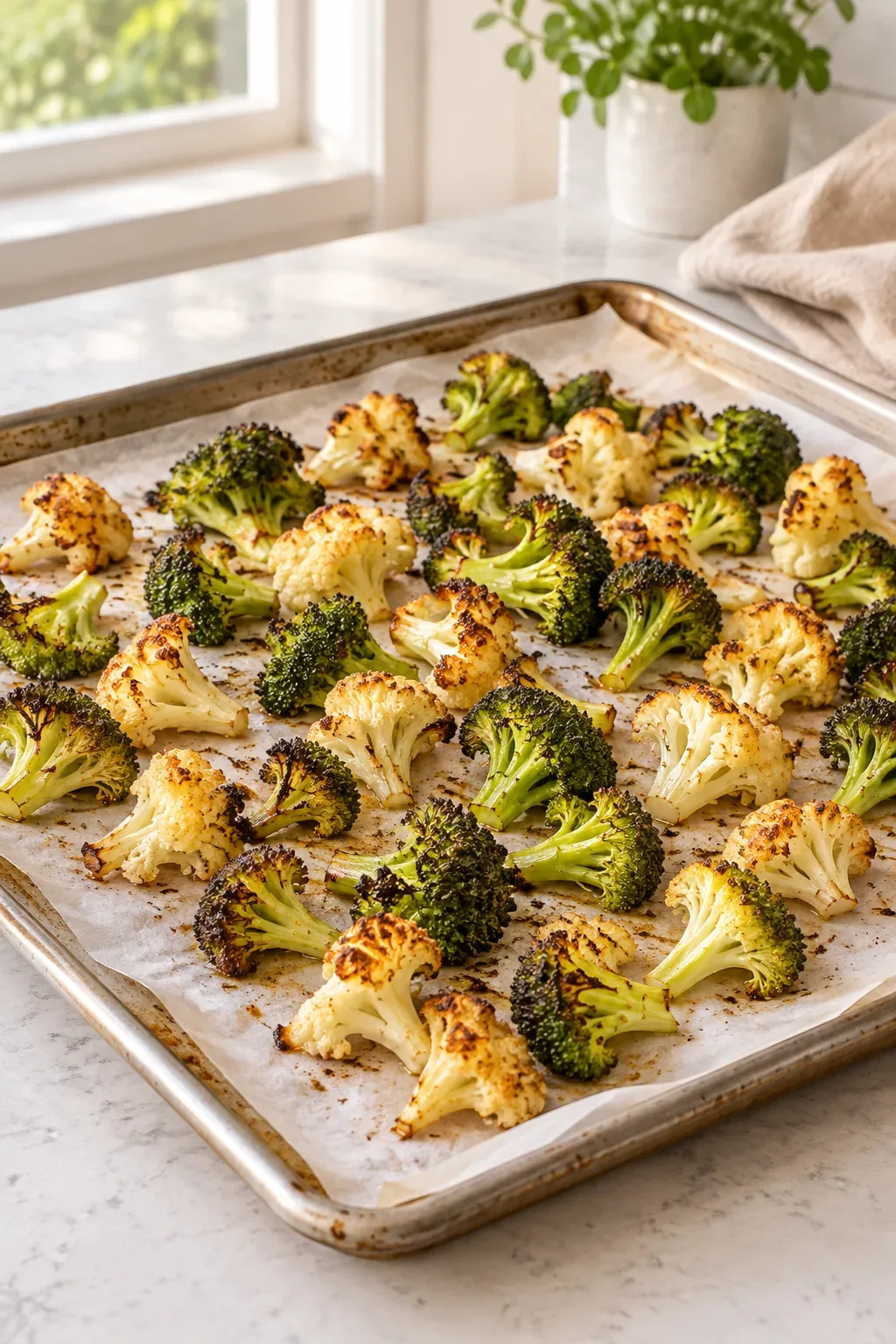
Blend the cottage cheese, eggs, and seasonings for about 30 seconds, until no curds are left. A smooth sauce coats every floret evenly and bakes into a firm custard. Whole curds can leave small pockets of whey.
Check the Center, Then Let It Rest
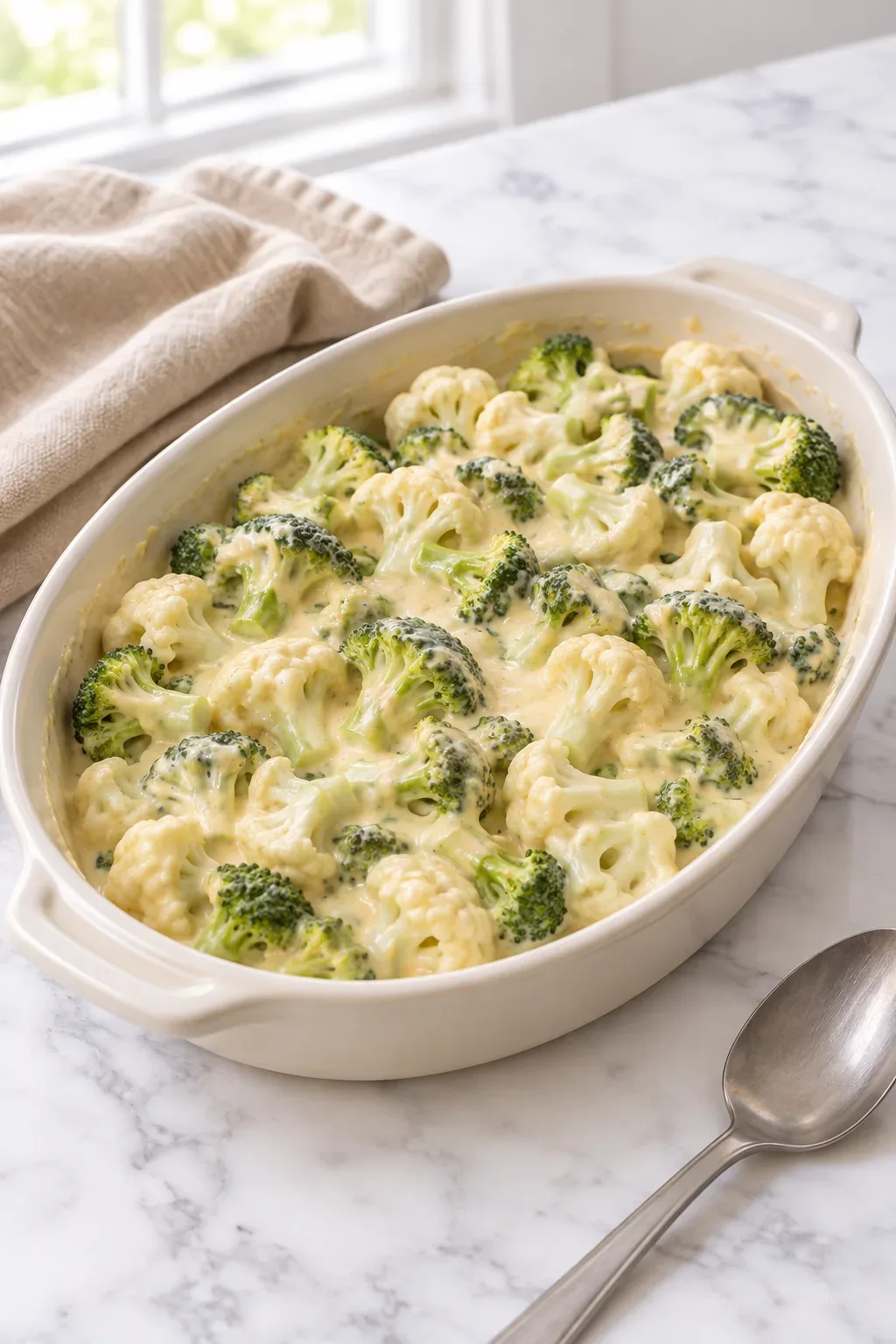
A golden top doesn't mean the middle is set. Egg dishes should reach 160°F (71°C) in the center, and the middle should barely jiggle when you nudge the dish. It's the same doneness check we use for our crustless vegetable quiche.
Let the casserole rest for 10 minutes before serving. The custard keeps firming as it cools a little, so it scoops cleanly instead of running.
**Pan size:** A 2-quart dish (11×7-inch, 9×9-inch, or a 2-quart oval) gives the best depth. A 9×13-inch dish makes a thinner layer that sets faster, so start checking the center about 8 minutes early.
What Can Go Wrong (And How to Fix It)
- Liquid in the bottom of the dish: The florets weren’t roasted enough, the cottage cheese was fat-free, or the casserole was cut too soon. Roast until the edges brown, use 2% or 4% cottage cheese, and rest the full 10 minutes.
- Grainy or curdled sauce: The casserole baked too long or too hot, and the eggs overcooked. Take it out at 160°F (71°C) instead of baking longer for color.
- Pale top: Your oven may run cool, or the rack may be too low. Broil for 1–2 minutes at the end and watch closely, because Parmesan burns fast.
- Bland flavor: Cheese and vegetables vary. Use a sharper cheddar, add a little more Dijon, or finish with flaky salt and black pepper.
How Do You Store, Freeze, and Reheat It?
Make ahead: Roast the florets and blend the sauce up to 1 day ahead, and refrigerate them in separate containers. Combine them just before baking. Add 5–10 minutes to the bake time, since cold ingredients take longer to reach 160°F (71°C).
Refrigerator: Refrigerate leftovers in shallow covered containers within 2 hours of baking, or within 1 hour if the room is above 90°F (32°C). Keep them at 40°F (4°C) or below and eat them within 3–4 days.
Freezer: Freeze cooled portions airtight at 0°F (−18°C) for 2–3 months for best quality. Thaw them overnight in the fridge. The sauce may be a little grainier and release some liquid.
Reheating: Cover portions and warm them in a 350°F (177°C) oven for 15–20 minutes, or microwave single servings in 30-second bursts. Reheat until the center reaches 165°F (74°C). Storage times and temperatures follow FoodSafety.gov guidelines.
What to Serve With This Casserole
As a side, it goes best with a simple roasted main that balances the rich sauce. Try it with sheet-pan turkey tenderloin with apples and sage for Sunday dinner, or with oven-fried chicken cutlets on a weeknight.
For a higher-protein plate, pair it with garlic butter steak bites. To serve it as the main dish, add a crisp green salad with lemon dressing. For more meals like this, see our low-carb high-protein recipes.
Frequently Asked Questions
Should You Drain Cottage Cheese for a Casserole?
No, not if you use 2% cottage cheese. Just pour off any liquid sitting on top of the tub before blending.
Do You Have to Blend the Cottage Cheese?
Yes, if you want the smoothest sauce. Whole curds bake into lumpy spots and can leave pockets of whey.
Will It Taste Like Cottage Cheese?
No. Blended with eggs, cheddar, and seasonings, it bakes into a mild, creamy cheese sauce.
Can You Assemble It the Night Before?
Not completely. Keep the roasted florets and the blended sauce in separate containers, then combine them just before baking so the sauce stays thick.
Can You Freeze a Cottage Cheese Casserole?
Yes, but it has the best texture fresh or refrigerated. The sauce can turn slightly grainy after thawing, so check the storage section above for times and thawing.
Can You Use Frozen Broccoli and Cauliflower?
Yes. Thaw them, pat them very dry, and roast for 20–25 minutes instead of 15, until the edges brown.
Final Thoughts
Roast the florets dry, blend the sauce smooth, and take the casserole out when the center reaches 160°F (71°C). Do those three things and you get a creamy bake with a crisp Parmesan top. For more cozy dishes, browse our casseroles and bakes.
Cheesy Broccoli Cauliflower Cottage Cheese Casserole
Roasted broccoli and cauliflower baked in a blended cottage cheese cheddar sauce with a crisp Parmesan top.
Course: Side Dish | Cuisine: American
Ingredients
Vegetables
- 12 ounces (340 g) broccoli florets, cut into 1-inch (2.5 cm) pieces
- 1 pound (454 g) cauliflower florets, cut into 1-inch (2.5 cm) pieces
- 1 tablespoon (15 ml) olive oil
- 1/4 teaspoon kosher salt
Cottage Cheese Sauce
- 2 cups (450 g) 2% cottage cheese
- 3 large eggs
- 1 tablespoon (15 g) Dijon mustard
- 1 teaspoon garlic powder
- 1/2 teaspoon onion powder
- 1/2 teaspoon smoked paprika
- 1/4 teaspoon kosher salt
- 1/4 teaspoon black pepper
- 1 cup (113 g) sharp cheddar, shredded
Topping
- 1/2 cup (57 g) sharp cheddar, shredded
- 1/2 cup (40 g) Parmesan, finely grated
Instructions
- Preheat the oven.
Heat it to 425°F (218°C) and line a large rimmed baking sheet with parchment.
- Roast the florets.
Toss the broccoli and cauliflower with the oil and 1/4 teaspoon salt, then spread them in a single layer. Roast for 15 minutes, until the edges brown and the stems are crisp-tender. Then lower the oven to 375°F (191°C).
- Blend the sauce.
Blend the cottage cheese, eggs, Dijon, garlic powder, onion powder, paprika, the remaining salt, and the pepper for about 30 seconds, until no curds remain.
- Combine.
Stir in 1 cup of cheddar, then fold in the roasted florets until they're evenly coated. Spread the mixture in a greased 2-quart baking dish.
- Add the topping.
Scatter the remaining 1/2 cup of cheddar and the Parmesan evenly over the top.
- Bake.
Bake for 28–32 minutes, until the edges bubble, the top is golden, and the center reads 160°F (71°C).
- Rest.
Let it stand for 10 minutes, until the center firms and scoops cleanly.
Notes
Pan size: A 9×13-inch dish makes a thinner layer, so start checking about 8 minutes early. If you add 1½ cups (200 g) of cooked chicken, use a 9×13 and start checking about 5 minutes early.
Frozen florets: Thaw them, pat them very dry, and roast for 20–25 minutes.
Make ahead: Keep the roasted florets and the sauce separate for up to 1 day. Add 5–10 minutes to the bake.
Storage: Refrigerate within 2 hours at 40°F (4°C) or below and use within 3–4 days, or freeze at 0°F (−18°C) for 2–3 months. Reheat to 165°F (74°C).
Estimated Nutrition
Per 1/6 of casserole
- Calories
- 300 kcal
- Protein
- 24 g
- Total fat
- 18 g
- Total carbohydrates
- 12.6 g
- Fiber
- 3.2 g
- Net carbohydrates
- 9.4 g
These numbers are estimates from USDA FoodData Central values, based on raw weights: 340 g broccoli, 454 g cauliflower, 450 g 2% cottage cheese, 150 g eggs, 170 g cheddar, and 40 g Parmesan. They aren’t lab-tested. Brands vary, and optional add-ins aren’t included.
Related Recipes
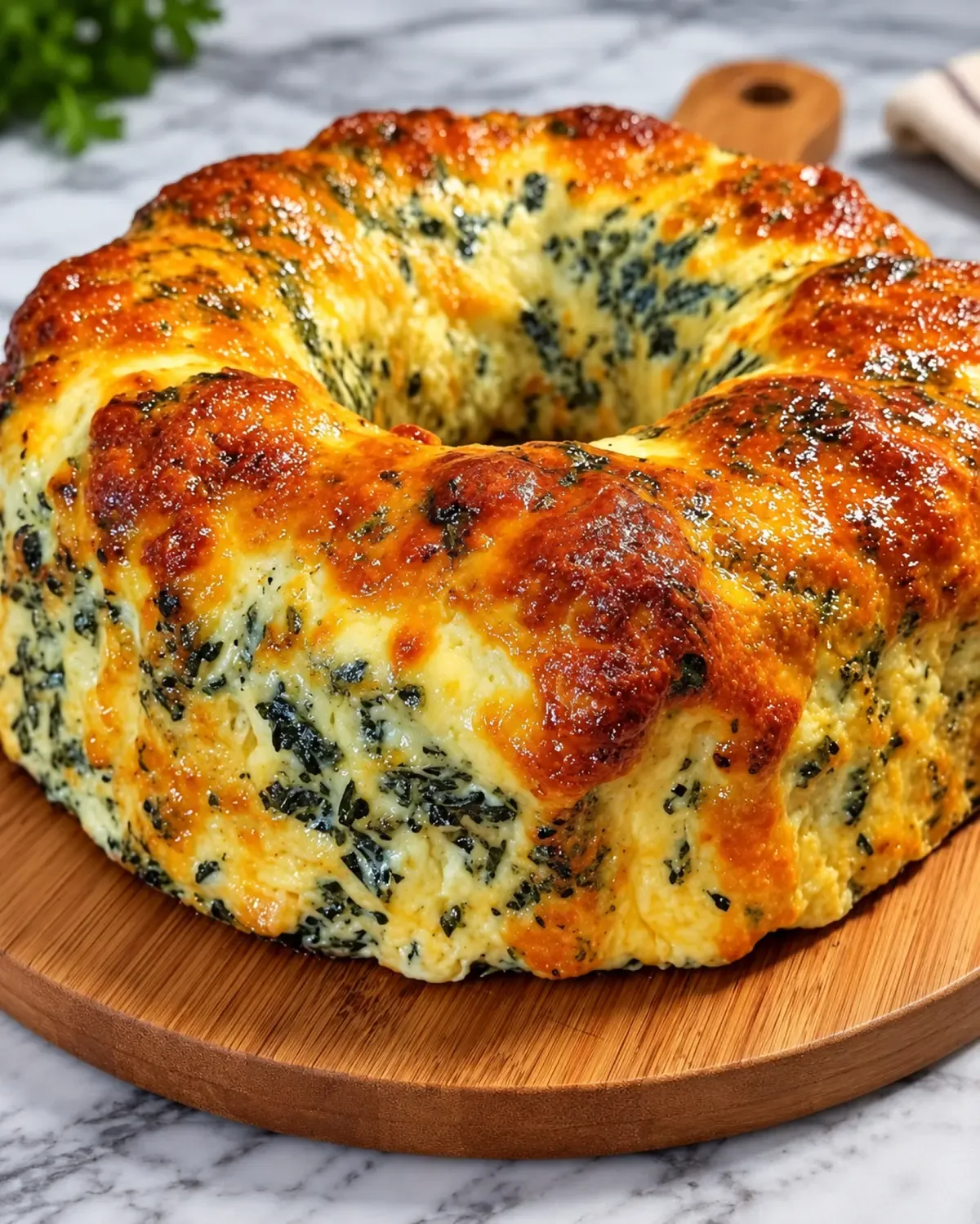
Cheesy Spinach Ricotta Savory Ring
Bake this spinach ricotta savory ring in a cheese-lined pan at 350°F. Rest it for 5 minutes, then turn it out and slice it warm.
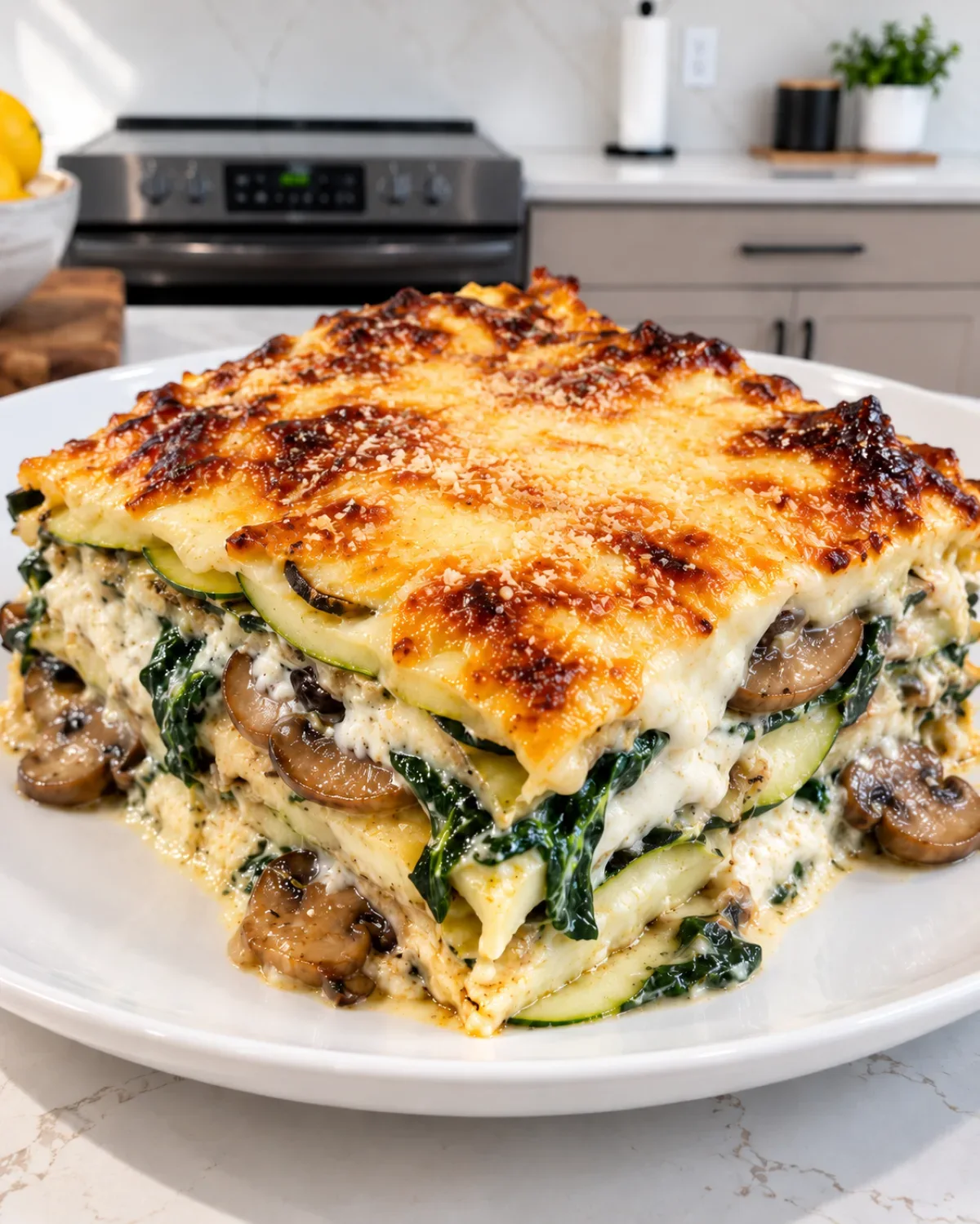
Cottage Cheese Zucchini Lasagna with Mushrooms and Spinach
Creamy cottage cheese zucchini lasagna with mushrooms, spinach, mozzarella, and Parmesan. Bake it at 375°F until bubbly and golden.
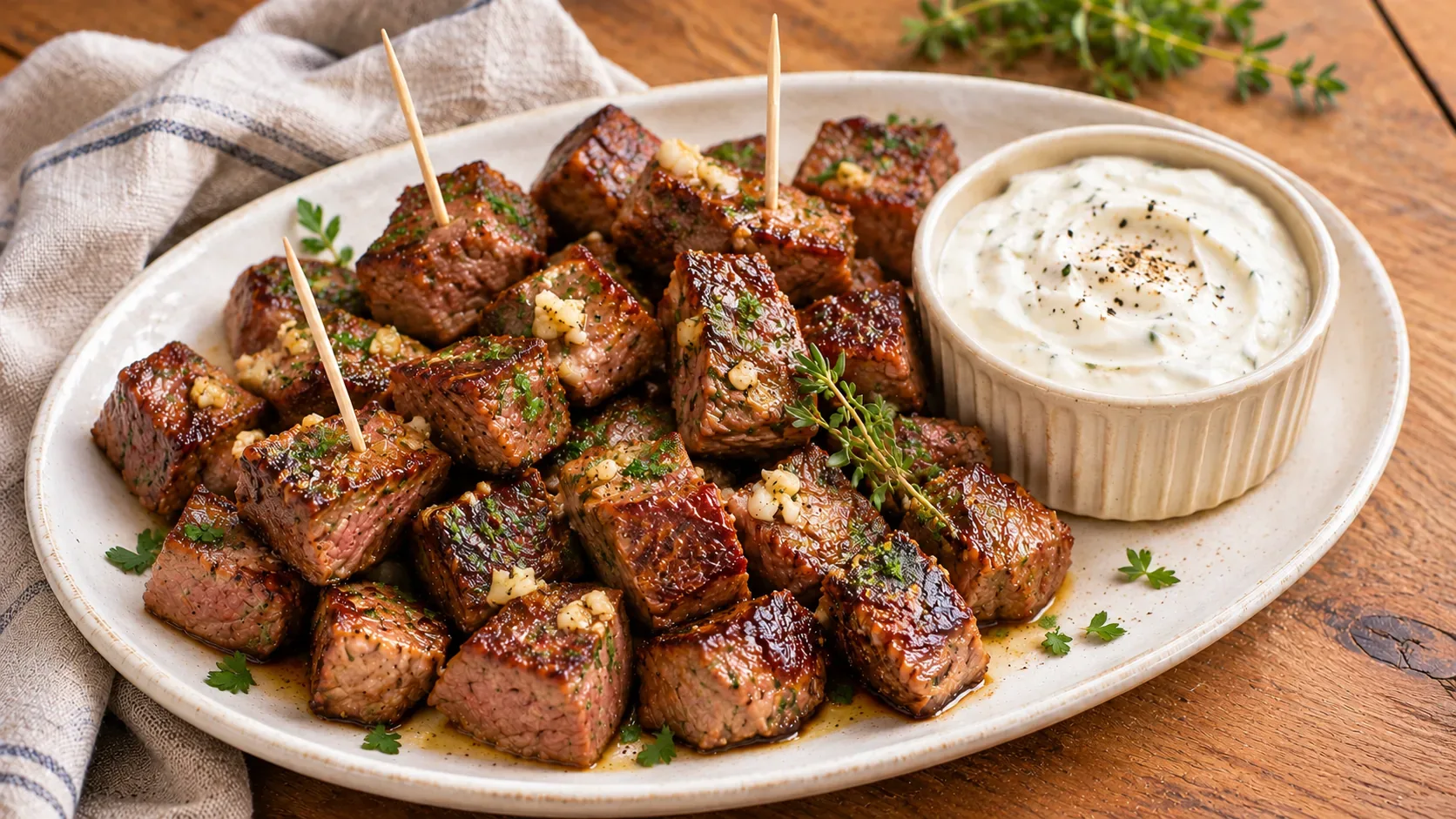
Garlic Butter Steak Bites with Greek Yogurt Horseradish Dip
Garlic butter steak bites with Greek yogurt horseradish dip, seared in a hot skillet and ready in about 35 minutes.