Cottage Cheese Egg Muffins (Easy High-Protein Egg Bites)
Busy mornings are easier when breakfast is already waiting in the fridge. And when something is quick to reheat, filling, and easy to take along, that’s one less thing to worry about before the day begins.
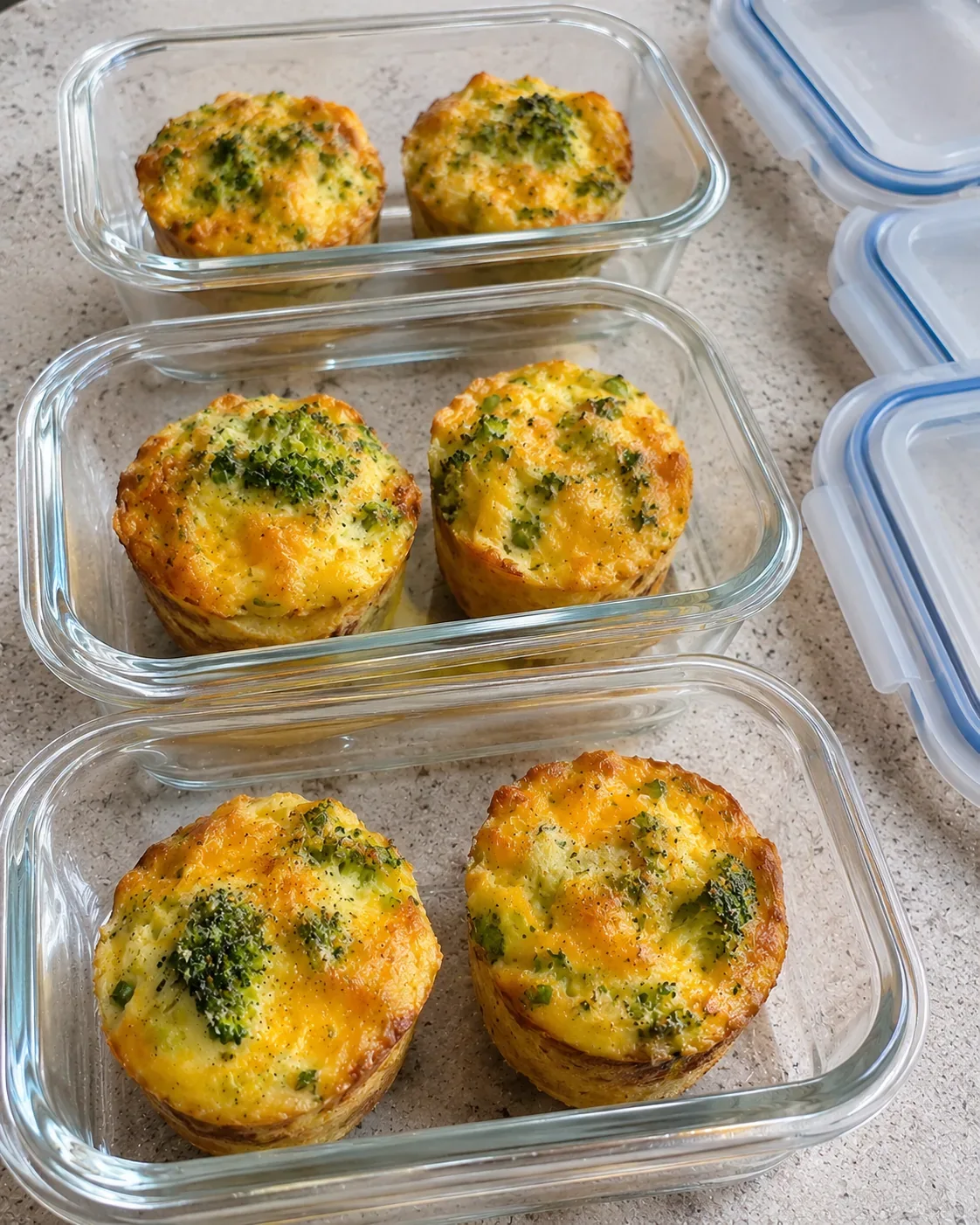
These cottage cheese egg muffins combine fluffy eggs, creamy cottage cheese, tender broccoli, sharp cheddar, and green onions for a savory, protein-rich breakfast. Everything bakes in a muffin tin, creating individual egg bites that are easy to serve fresh or prepare ahead for weekday breakfasts.
The secret to a good texture is managing the moisture in your vegetables and avoiding overbaking. This guide covers the simple preparation steps, tips to prevent sticking or rubbery muffins, and the best ways to store, freeze, and reheat them.

What Ingredients Do You Need for Cottage Cheese Egg Muffins?
These cottage cheese egg muffins combine eggs, cottage cheese, broccoli, cheddar, and green onions. Blending the egg base creates a smoother texture, while finely chopped broccoli helps each muffin cook evenly.
Recipe at a Glance
- Prep Time: About 15 minutes
- Cook Time: About 20–25 minutes
- Total Time: About 40–45 minutes, including a 5-minute rest
- Yield: 12 standard egg muffins
- Servings: 6 (2 muffins each)
- Method: Oven-baked in a 12-cup muffin tin
Ingredients
- 8 large eggs, for the egg base
- 1 cup (about 226 g) cottage cheese, 2% or full-fat
- 1 cup (about 75–90 g) broccoli florets, finely chopped, measured before cooking
- ½ cup (about 56 g) sharp cheddar, shredded
- 2 green onions, thinly sliced
- ¼ teaspoon garlic powder
- ¼ teaspoon salt, or less to taste
- ¼ teaspoon black pepper
- Nonstick cooking spray or oil, for greasing the muffin tin
A Few Ingredient Tips
Choose your cottage cheese. Both 2% and full-fat varieties are suitable. Blending removes noticeable curds and creates a smoother egg mixture.
Keep broccoli pieces small. Large florets can distribute unevenly, while excess moisture can make the muffins watery. Light cooking and draining help control moisture.
Balance the cheese and seasoning. Sharp cheddar adds savory flavor, and cottage cheese already contains salt. Adjust the added salt accordingly.
Slice green onions thinly. Small pieces distribute evenly and add a mild onion flavor without overpowering the eggs.
How Do You Make Fluffy Cottage Cheese Egg Muffins?
These cottage cheese egg muffins come together with a blender, a muffin tin, and a few simple steps. The key is to remove excess moisture from the broccoli and bake just until the centers are fully cooked.
Step-by-Step Instructions
-
Preheat the oven. Set your oven to 350°F (177°C). Generously grease a standard 12-cup muffin tin with nonstick spray or oil, including the edges. You can also use lightly greased silicone muffin liners.
-
Prepare the broccoli. Finely chop the florets into small pieces. Steam or sauté for 2–3 minutes until slightly tender, then drain well and let cool. Pat dry if needed to remove excess moisture.
-
Blend the egg mixture. Add the 8 eggs, cottage cheese, garlic powder, salt, and black pepper to a blender. Blend briefly, about 15–20 seconds, until smooth and combined. Avoid blending longer than necessary.
-
Fill the muffin cups. Divide the prepared broccoli, shredded cheddar, and sliced green onions evenly among the 12 cups. Pour the egg mixture over the vegetables, filling each cup about three-quarters full.
-
Bake until set. Bake for approximately 20–25 minutes, checking near the end. The tops should look set, with no wet egg mixture in the centers. Use a food thermometer to confirm the muffins reach 160°F (71°C) internally.
-
Cool and remove. Let the muffins rest in the pan for about 5 minutes. Carefully loosen the edges with a silicone spatula or thin knife, then transfer them to a cooling rack.
Serve warm, or cool briefly and refrigerate promptly for meal prep.

How Do You Keep Cottage Cheese Egg Muffins Soft and Prevent Sticking?
A few small adjustments can help prevent rubbery centers, watery bottoms, and muffins that cling to the pan.
If the muffins turn rubbery: Overbaking is often the cause. Check near the end of the cooking time and remove them once the centers reach 160°F (71°C). Extra time in the oven can dry out the eggs.
If the muffins are watery: Wet broccoli may release liquid during baking. Drain it thoroughly before adding it, and blot any moisture around the finished muffins with a paper towel.
If the muffins stick: Grease the muffin cups generously, especially around the sides, or use lightly greased silicone liners. Let the muffins rest for five minutes before gently loosening the edges.
If the muffins sink: Slight deflation after baking is normal as the eggs cool.
Prefer a breakfast you can cut into slices? Try our Crustless Vegetable Quiche with Broccoli and Cheddar.
What Variations Can You Make?
Keep the eight eggs and one cup of cottage cheese as your base, then switch up the fillings to suit your taste.
- Spinach and feta: Replace broccoli with ½ cup cooked spinach, squeezed dry, and use ¼ cup crumbled feta instead of cheddar.
- Chicken sausage and cheddar: Swap the broccoli for ½ cup chopped, fully cooked chicken sausage. Keep the cheddar and green onions.
- Peppers and mushrooms: Replace broccoli with 1 cup finely chopped, sautéed peppers and mushrooms, with excess liquid drained.
Avoid adding too many fillings, which can leave less room for the egg mixture.
For another quick broccoli breakfast, try our Broccoli Egg Tortilla Fold.
How Do You Store, Freeze, and Reheat Cottage Cheese Egg Muffins?
These muffins make breakfast prep easier, provided they’re cooled and stored safely.
Refrigerate: After a brief cooling period, transfer muffins to shallow, covered containers. Refrigerate within two hours of cooking, or one hour if temperatures exceed 90°F (32°C). Keep at 40°F (4°C) or below and eat within 3–4 days.
Freeze: Chill the muffins, then freeze them in a single layer until firm. Transfer to a freezer-safe bag or airtight container and label with the date. For best quality, use within 2 months.
Reheat: Thaw overnight in the refrigerator, or reheat directly from frozen. Microwave covered in short intervals, or warm in a 325°F (163°C) oven. Heat until the center reaches 165°F (74°C), checking with a food thermometer.
For another make-ahead breakfast, try our Sweet Potato Crust Egg Bake.
How Much Protein Is in Each Cottage Cheese Egg Muffin?
Each cottage cheese egg muffin provides approximately 7.6 grams of protein, or 15 grams per two-muffin serving. These estimates use the ingredient quantities listed above, 2% cottage cheese, and a yield of 12 muffins.
| Estimated Nutrition | 1 Muffin | 2 Muffins |
|---|---|---|
| Calories | 85 | 170 |
| Protein | 7.6 g | 15.1 g |
| Total carbohydrates | 1.9 g | 3.8 g |
| Total fat | 5.2 g | 10.4 g |
The estimates include the vegetables and seasonings but exclude oil used to grease the pan. Full-fat cottage cheese adds slightly more calories and fat. Actual nutrition varies by brand, ingredient weight, and final yield.
A Make-Ahead Breakfast for Busy Mornings
These broccoli-cheddar cottage cheese egg muffins are an easy way to prepare individual breakfast portions with familiar ingredients. Enjoy them fresh from the oven or save a batch for mornings when cooking isn’t on the schedule.
Frequently Asked Questions
Do cottage cheese egg muffins need flour?
No. The eggs provide enough structure to hold the muffins together as they bake, so you don't need flour or another binder. This keeps the recipe simple and naturally flourless.
Should you blend cottage cheese before adding it to eggs?
Blending the cottage cheese with the eggs creates a smoother, more even texture. You can whisk them together instead, but small cottage cheese curds may remain visible in the finished muffins.
Why do egg muffins sink after baking?
Egg muffins puff up as air and steam expand in the oven, then settle as they cool. A slight dip in the center is normal. A noticeably wet or collapsed center, however, may indicate that the muffins need more cooking time.
Cottage Cheese Egg Muffins (Easy High-Protein Egg Bites)
Make cottage cheese egg muffins with broccoli, cheddar, and green onions. Get easy baking, storage, freezing, and reheating tips for breakfast prep.
- Oven temperature
- 350°F
- Center of egg dish
- 160°F
- Reheated leftovers
- 165°F
Ingredients
- 8 large eggs
- 1 cup cottage cheese, about 226 g, 2% or full-fat
- 1 cup broccoli florets, about 75–90 g, finely chopped and measured before cooking
- 1/2 cup shredded sharp cheddar, about 56 g
- 2 green onions, thinly sliced
- 1/4 teaspoon garlic powder
- 1/4 teaspoon salt, or less to taste
- 1/4 teaspoon ground black pepper
- To grease the muffin cups and their edges nonstick cooking spray or oil
Instructions
- Preheat the oven
Heat the oven to 350°F. Grease a standard 12-cup muffin tin generously, including the edges, or use lightly greased silicone liners.
- Prepare the broccoli
Finely chop the broccoli florets. Steam or sauté for 2 to 3 minutes until slightly tender, then drain well, cool, and pat dry if needed.
- Blend the egg mixture
Blend the 8 eggs, cottage cheese, garlic powder, salt, and black pepper for about 15 to 20 seconds, just until smooth and combined.
- Fill the muffin cups
Divide the broccoli, cheddar, and green onions among the 12 muffin cups. Pour the egg mixture over the vegetables, filling each cup about three-quarters full.
- Bake until set
Bake for about 20 to 25 minutes. Check for set tops with no wet egg mixture in the centers and confirm that the center of a muffin reaches 160°F with a food thermometer.
- Cool and remove
Rest in the pan for about 5 minutes, then gently loosen the edges and transfer the muffins to a cooling rack. Serve warm or refrigerate promptly.
Storage
- Refrigerator: Refrigerate in shallow, covered containers within 2 hours, or within 1 hour when temperatures exceed 90°F. Keep at 40°F or below and use within 3 to 4 days. (4 days)
- Freezer: Freeze chilled muffins in a single layer, then transfer to a freezer-safe bag or airtight container. Use within 2 months for best quality. (2 months)
Reheating
- Microwave or oven: Thaw overnight in the refrigerator or reheat from frozen. Microwave covered in short intervals, or warm in a 325°F oven, until the center reaches 165°F. at 165°F
Related Recipes

Crustless Vegetable Quiche with Broccoli and Cheddar
Broccoli, red pepper, onion, and cheddar baked into a six-slice crustless egg quiche.

Broccoli Egg Tortilla Fold
Eggs, chopped broccoli, and melted mozzarella tucked into a golden tortilla.
Butter Swim Biscuits Recipe
Soft buttermilk biscuits baked in melted butter in one square pan, with golden tops and crisp edges.