How to Roast Pumpkin Seeds in the Oven
Oven-roasted pumpkin seeds are a crunchy snack you can make after cutting a fresh pumpkin. Keep the white shells on, and use olive oil and salt for a simple savory batch. The most helpful step comes before baking: remove the stringy pulp and blot the seeds until they are dry on the surface. Wet seeds steam on the pan and take longer to brown.
Spread the seeds in one layer and roast them at 350°F (175°C). Start checking after 15 minutes, but let their color and texture guide you. The time can change with seed thickness, leftover moisture, and your oven. You do not need to boil or soak the seeds for this method.
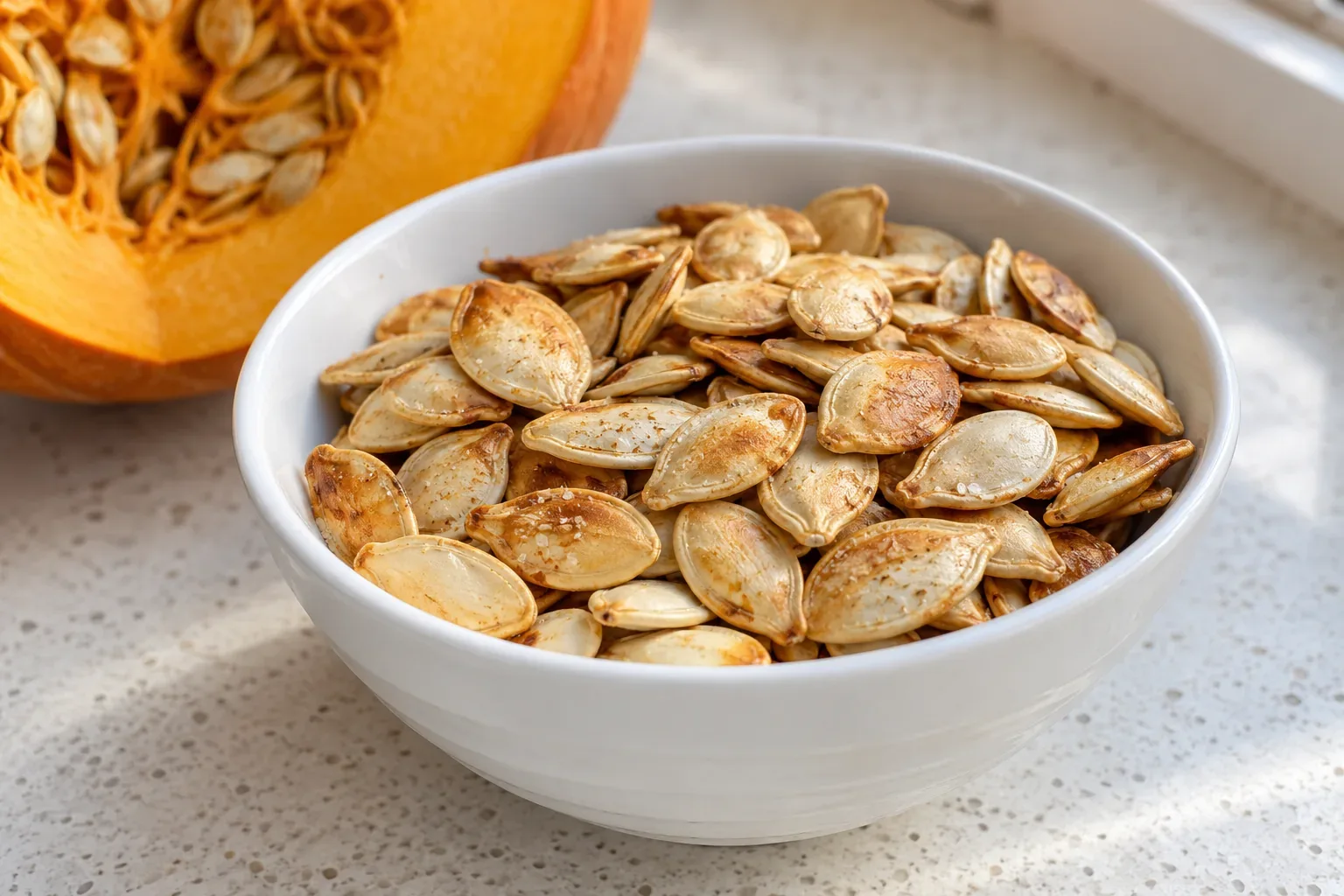
Ingredients
Measure 1 cup of cleaned pumpkin seeds after rinsing and blotting them dry. Divide the finished batch into 4 equal portions.
- Fresh whole pumpkin seeds (1 cup): Use the white, in-shell seeds taken from a pumpkin. Remove the pulp, rinse the seeds, and dry their surfaces before measuring.
- Olive oil (1 tablespoon): Toss the measured seeds well so the oil coats them without pooling on the pan.
- Fine sea salt (½ teaspoon / dry): Seasons the seeds evenly. Substitution: Fine table salt ➔ Use the same volume and toss thoroughly to distribute it.
- Garlic powder or smoked paprika (½ teaspoon, optional): Choose one for the basic savory batch, or leave both out.
How to Roast Pumpkin Seeds in the Oven
Use a colander, clean towels, a bowl, and a rimmed baking sheet.
- Heat the oven. Set it to 350°F (175°C) with a rack in the middle.
- Clean the seeds. Pull the seeds away from the stringy pumpkin pulp. Rinse in a colander, rubbing off any fibers that cling to the shells.
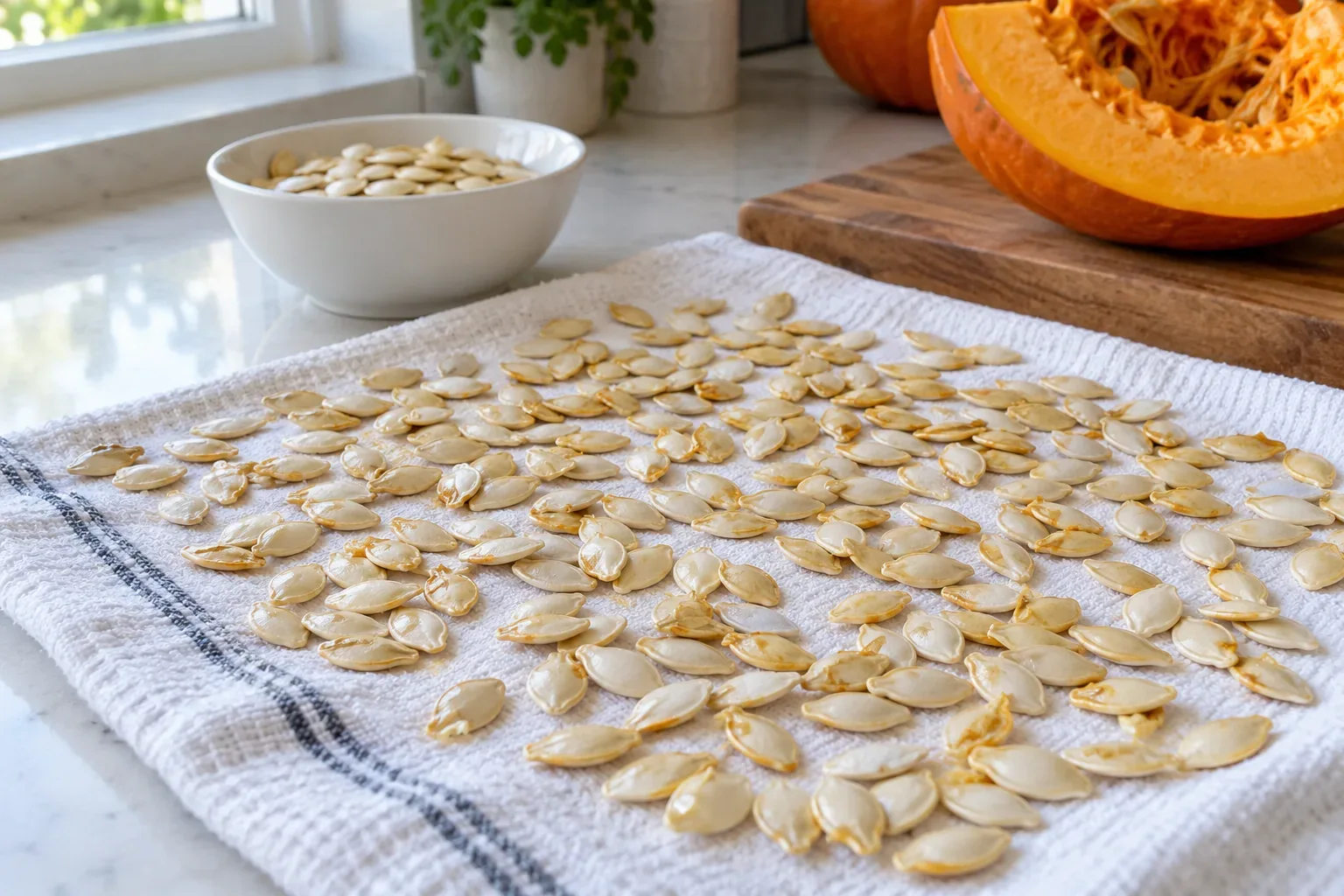
- Dry and measure. Dry the rinsed pumpkin seeds between clean kitchen towels, pressing gently to remove water. Spread them on a dry towel for 10–15 minutes, then check for visible droplets or wet patches underneath; blot again as needed before measuring 1 cup and adding oil. The 10–15 minutes is a check-in point, not a promise that the seeds are dry.
- Season. Toss the measured seeds with 1 tablespoon olive oil and ½ teaspoon fine sea salt. Add ½ teaspoon garlic powder or smoked paprika if using. Toss until the coating looks even.
- Spread and roast. Arrange the seeds in one layer on the baking sheet. Roast for about 15–25 minutes as a starting range. Stir after 10 minutes. From 15 minutes onward, check them often and cool a few before tasting.
- Check for doneness. If pale seeds are still chewy after cooling, roast them for 2–3 minutes more and check again. Remove the pan when the seeds are lightly golden and the cooled samples are crisp. A thick shell may still feel firm to bite; do not keep roasting well-browned seeds just to soften the hull.
- Cool. Leave the roasted seeds spread out on the pan until they are fully cool.
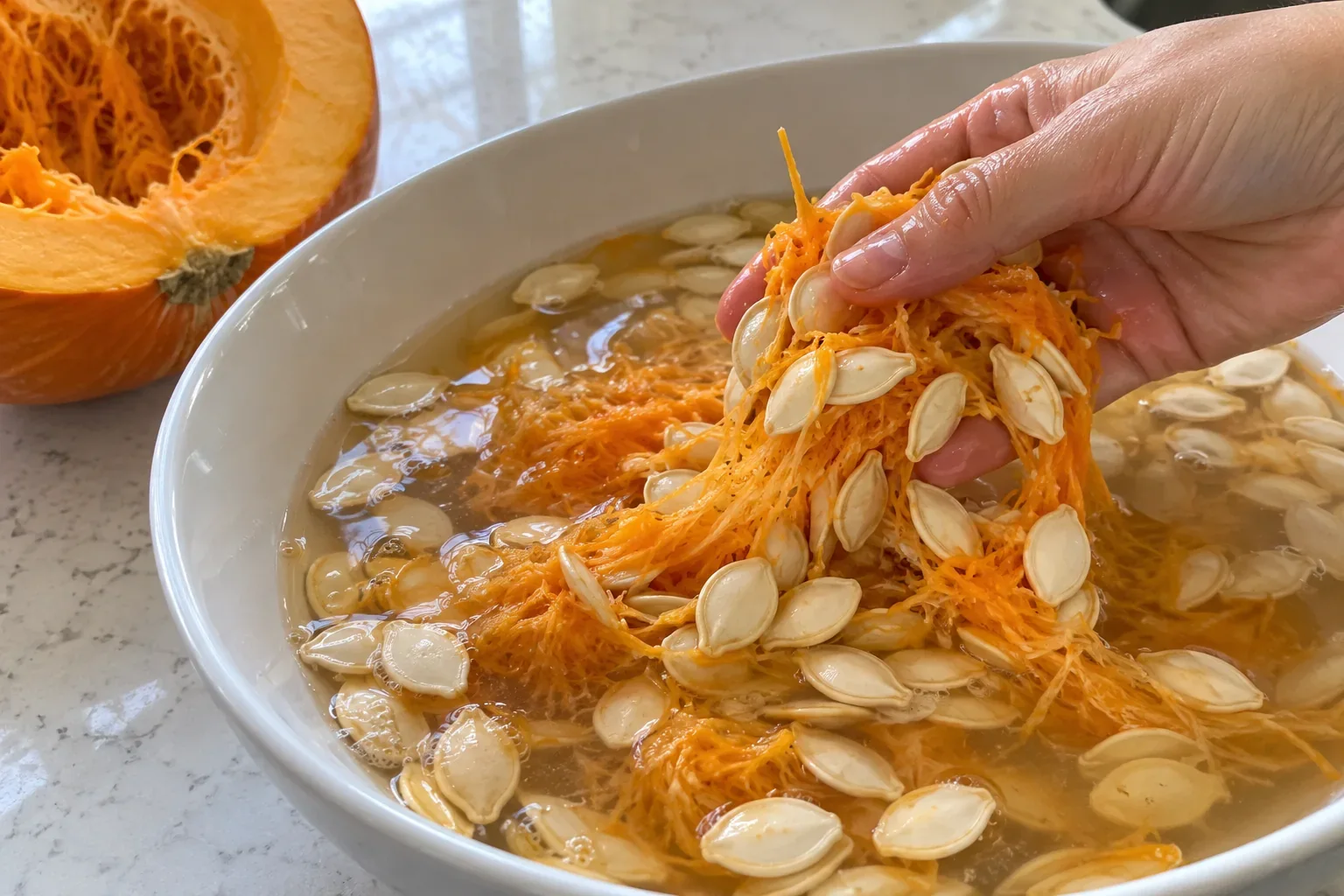
How Long to Roast Pumpkin Seeds in the Oven
At 350°F, plan on about 15–25 minutes for cleaned, surface-dry whole seeds. This is a starting estimate, not a guaranteed finish time. Thick shells, wet patches, and differences between ovens can extend the time.
| Checkpoint | What to do |
|---|---|
| After 10 minutes | Stir and spread the seeds out again. |
| From 15 minutes onward | Look for light browning. Cool a few seeds before tasting for crunch. |
| Pale and still chewy | Roast 2–3 minutes more, then check again. |
| Lightly golden and crisp after cooling | Remove the pan from the oven. |
Check seeds from different parts of the pan. Larger shells may feel tough even when roasted. More oven time may burn well-browned seeds.
Three Tips for Crisp Pumpkin Seeds
- Blot away surface water. Dry the shells between towels, then look underneath the seeds for wet spots before adding oil. A timer alone cannot tell you when they are dry.
- Give them room. Spread the seeds in one layer. A crowded pile traps moisture and browns unevenly.
- Taste after cooling. Hot seeds may seem softer than cooled ones. Let a few cool before deciding whether the batch needs another short roast.
Pumpkin Seed Seasoning Variations
Choose one seasoning variation per batch, replacing the optional garlic powder or smoked paprika. Use the salt amount listed for that variation instead of adding the base salt again. Each variation uses the same 1 cup of seeds and 1 tablespoon olive oil.
| Variation | Use for one batch | When to add it |
|---|---|---|
| Garlic and paprika | ¼ teaspoon garlic powder, ¼ teaspoon smoked paprika, and ½ teaspoon fine sea salt | Toss with the oil before roasting. |
| Cinnamon sugar | 1 tablespoon sugar, ½ teaspoon cinnamon, and ⅛ teaspoon fine sea salt | Roast with the oil and salt. Toss the still-warm seeds with the cinnamon and sugar after roasting. |
| Cayenne and sea salt | ⅛ teaspoon cayenne and ½ teaspoon fine sea salt | Toss with the oil before roasting. |
Do not add extra oil for the sweet version. Watch the pan near the end of roasting.
Nutrition per Serving
Per-serving nutrition is unavailable because the roasted seed weight for this one-cup batch has not been measured. A cup of fresh seeds cannot be treated as the same weight as a cup of roasted seeds.
Whole roasted pumpkin seeds include the edible outer shells, which contribute fiber. A future estimate should include the recipe’s tablespoon of olive oil, divide the batch into four equal portions, and leave out optional seasonings. Net carbohydrates equal total carbohydrates minus dietary fiber.
Storage and Keeping the Seeds Crisp
Let fully roasted, dry seeds cool completely before putting them in an airtight container. A closed container keeps out moisture; closing it while the seeds are warm traps condensation and softens them. Keep a small batch in a cool, dry pantry and eat it while the flavor and crunch are good.
For longer storage, refrigerate the sealed container at 40°F (4°C) or below, or freeze it. Let frozen seeds warm inside the closed container before opening it to limit condensation. These steps do not promise a fixed storage life.
Discard seeds with visible mold or a rancid smell. Seeds that lose crunch are not necessarily spoiled, but smell and appearance alone cannot guarantee safety. These storage steps apply to fully roasted, dry seeds, not raw or damp ones.
Final Thoughts on Oven-Roasted Pumpkin Seeds
Roast a small batch in one layer, then cool a few seeds before deciding if they are crisp. Serve them with Apple Peanut Butter Snack Boxes with Cinnamon Yogurt Dip or sprinkle them over Roasted Butternut Squash Soup with White Beans.
Frequently Asked Questions
Do pumpkin seeds need to be boiled before roasting?
No. You can rinse, dry, season, and roast them without boiling. A salt-water simmer is a different optional method.
Should I soak pumpkin seeds first?
No. Soaking is not needed for this oven method. Clean off the pulp and make sure the shells are dry on the surface before roasting.
How do I get the pulp off pumpkin seeds?
Pull the seeds from the stringy pulp with your fingers, then rinse them in a colander. Rub off any fibers that stay on the shells.
Why are my roasted pumpkin seeds chewy?
Wet shells, crowded seeds, or too little roasting time can leave them chewy. Check a few cooled seeds first; if they are still pale, roast briefly and check again. A thick hull may feel firm even when a browned seed is ready.
How long do pumpkin seeds take at 350°F?
Start with **15–25 minutes**, stirring after 10 minutes. Check from 15 minutes onward and use light browning and the texture of cooled seeds to decide when to stop.
Can I eat roasted pumpkin seeds with the shells?
Yes. The white shells are edible and add fiber. Larger seeds may have tougher shells, so chew them well.
How to Roast Pumpkin Seeds in the Oven
How to roast pumpkin seeds in the oven using fresh whole seeds, olive oil, and salt. Learn to clean, dry, season, and bake them until crisp.
- Roast whole pumpkin seeds
- 350°F
Ingredients
- 1 cup fresh whole pumpkin seeds, removed from a fresh pumpkin, rinsed, blotted dry on the surface, then measured
- 1 tablespoon extra-virgin olive oil
- 1/2 teaspoon fine sea salt
- 1/2 teaspoon garlic powder or smoked paprika (optional)
Instructions
- Heat the oven
Heat the oven to 350°F (175°C) with the rack in the middle.
- Clean the seeds
Pull the seeds from the stringy pumpkin pulp. Rinse in a colander, rubbing off any fibers that cling to the shells.
- Dry and measure
Dry the rinsed seeds between clean kitchen towels, pressing gently. Spread on a dry towel for 10–15 minutes, then check for visible droplets or wet patches underneath. Blot again as needed before measuring 1 cup. The time is a check-in point, not a guarantee of dryness.
- Season
Toss the measured cup of seeds with 1 tablespoon olive oil and 1/2 teaspoon fine sea salt. Add 1/2 teaspoon garlic powder or smoked paprika if using. Toss until evenly coated.
- Spread and roast
Spread the seeds in one layer on a rimmed baking sheet. Roast at 350°F for about 15–25 minutes as a starting range. Stir after 10 minutes. From 15 minutes onward, check the color and cool a few seeds before tasting.
- Check for doneness
If pale seeds are still chewy after cooling, roast 2–3 minutes more and check again. Remove when lightly golden and crisp after cooling. Do not keep roasting well-browned seeds just to soften a thick shell.
- Cool
Leave the roasted seeds spread out on the pan until fully cool.
Storage
- Cool and seal: Cool fully roasted, dry seeds completely before putting them in an airtight container. Store a small batch in a cool, dry pantry and eat while the flavor and crunch are good.
- Longer storage: For longer storage, refrigerate the sealed container at 40°F (4°C) or below, or freeze it. Let frozen seeds warm inside the closed container before opening to limit condensation. No fixed storage life is promised.
Related Recipes
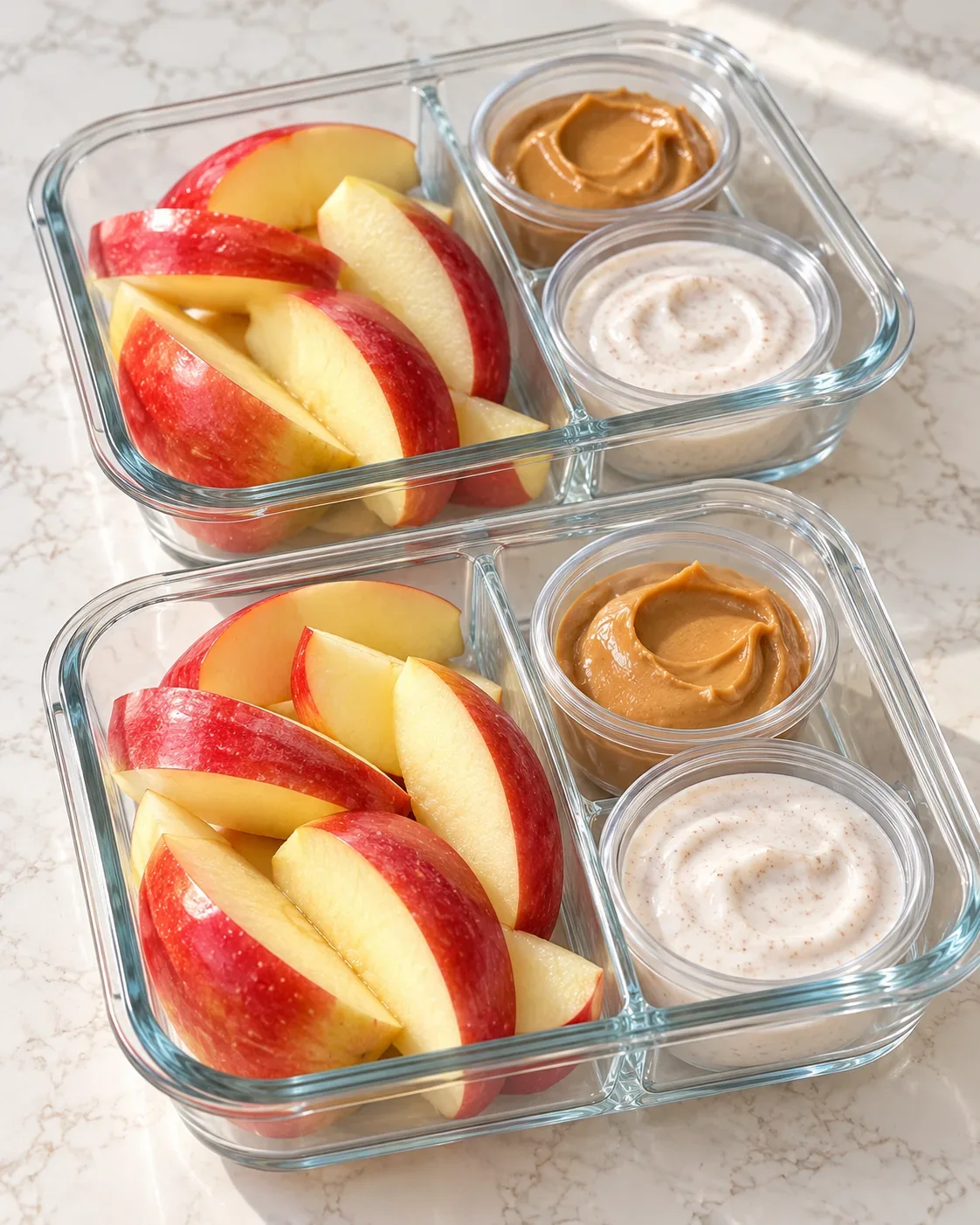
Apple Peanut Butter Snack Boxes with Cinnamon Yogurt Dip
Apple slices, a separate spoonful of peanut butter, and cinnamon yogurt dip packed into two chilled snack boxes.
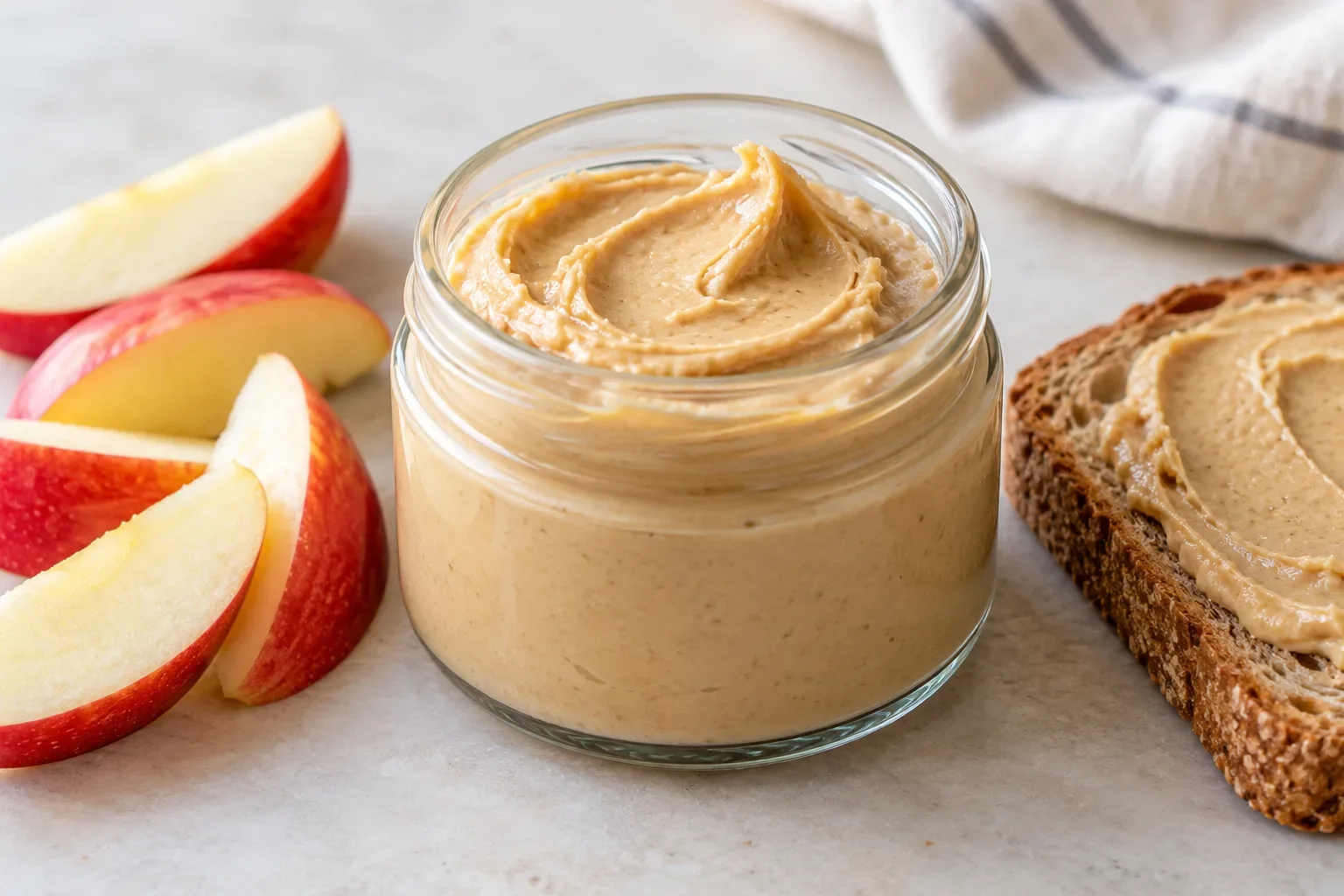
Beanut Butter Recipe: The Viral Bean-Based Spread
A creamy white-bean and powdered-peanut spread for toast, apples, and oatmeal.
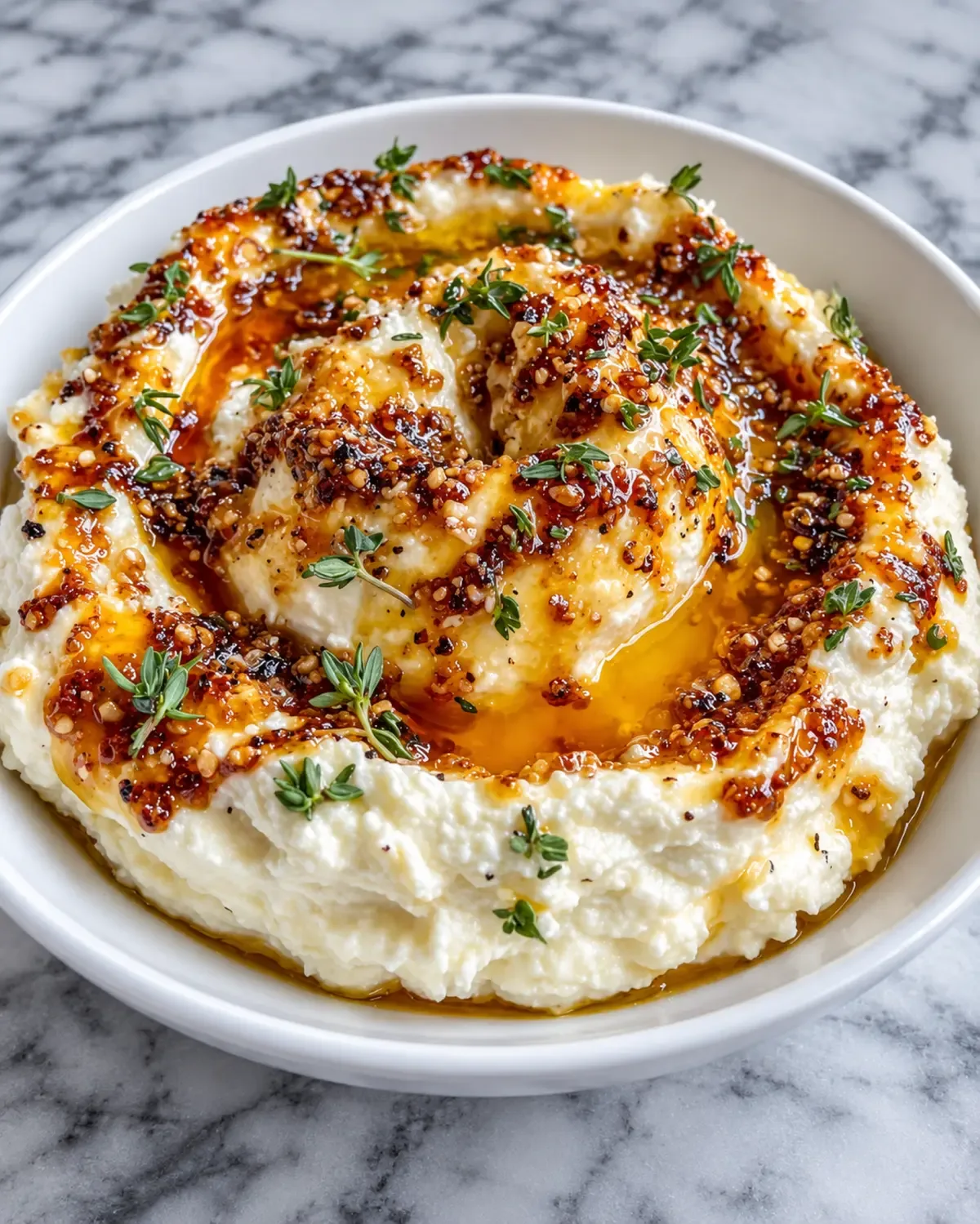
Whipped Feta with Hot Honey
Creamy whipped feta with cottage cheese, warm honey, and red pepper flakes. This simple dip takes about 10 minutes and serves 4.